
Felix Lembersky (1913-1970) was a painter, theater stage designer, teacher, and leader of artistic groups. He began his career within the Soviet Avant-Garde in Ukraine before studying realist painting in Leningrad (now Saint Petersburg). Throughout his life he worked across realist and modernist styles that fell outside of Soviet-mandated Socialist Realism. His Execution: Babyn Yar series (ca. 1944-52) is the earliest known artistic representation of Babyn Yar, a Holocaust massacre site in Kyiv. For political reasons, these paintings, along with his later nonconformist work, were barred from exhibition in the Soviet Union.
Having witnessed two world wars, the 1917 revolution, and political terror, Lembersky reflected on these experiences with candor while imbuing his work with hope and optimism. He was drawn to vulnerable, neglected, and marginalized people: children, the elderly, ethnic minorities, and industrial workers subjected to harsh labor and dangerous conditions. Regardless of their circumstances, Lembersky portrayed his subjects with empathy, dignity, and admiration.
Exhibit curated by Yelena Lembersky, granddaughter of Felix Lembersky, and Geneviève Zubrzycki, WCEE Director.
Works on loan from the private collection of Yelena Lembersky.

THE ART OF MEMORY IN PAINTINGS BY FELIX LEMBERSKY. WCEE exhibition.
Art Gallery at Weiser Hall, The University of Michigan
Sept 1, 2026-June 15, 2027
View by appointment: weisercenter@umich.edu
500 Church Street, 10th Floor, Ann Arbor, MI 48109
Check-in at Weiser Center for Europe and Eurasia, Suite 500, 5th floor
…art comes before anything else
—Felix Lembersky, 1956
Until recently, we could not speak truthfully, because we were told that art cannot have contradictions, that we must create polished heroes… To create such heroes is to steal from people. This is not the essence of truth.
—Felix Lembersky, 1956
For my father, honesty and integrity meant more than anything else. Art was an expression of freedom, individuality, and personalized creativity, without which it ceased to be art.
— Galina Lembersky, artist’s daughter


ON VIEW. VIRTUAL EXHIBITIONS


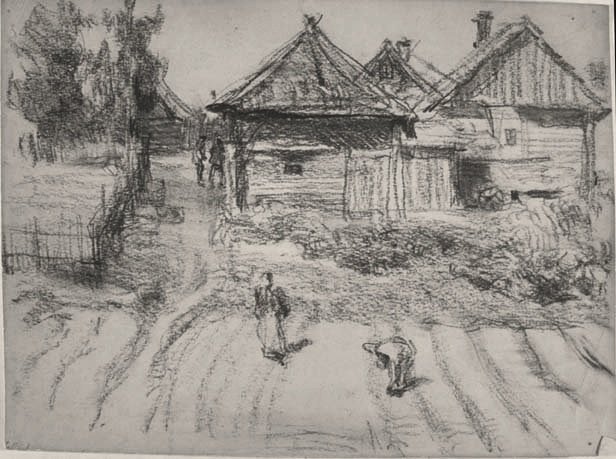

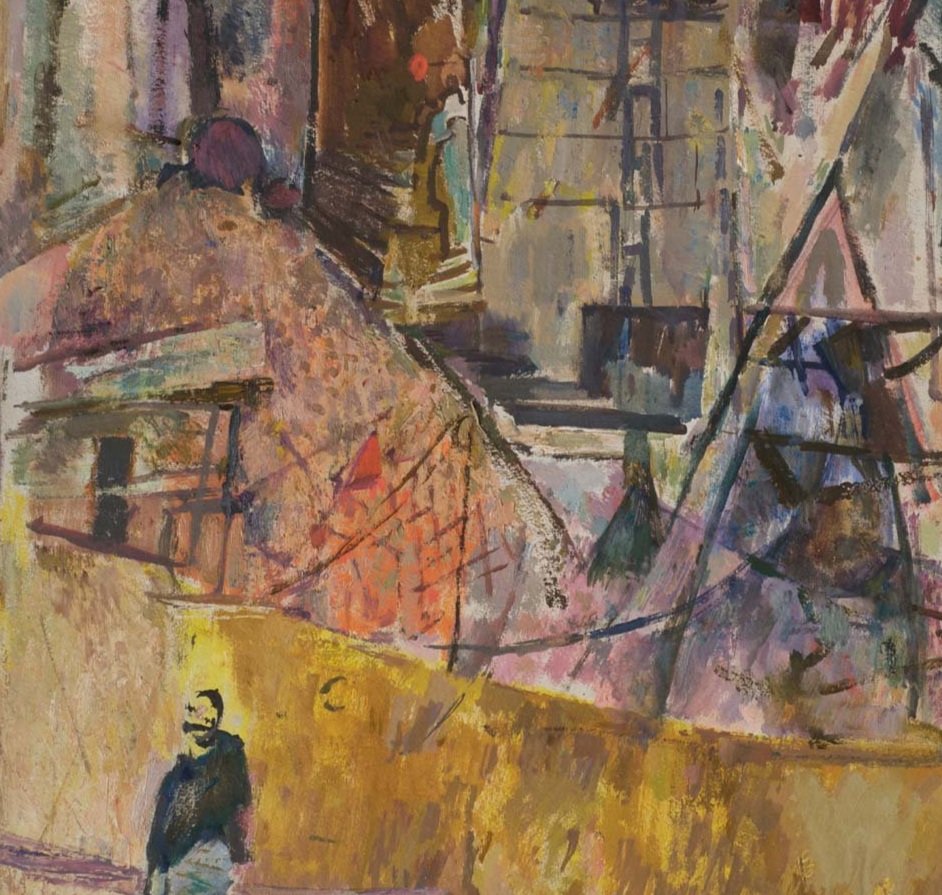
I attempt to uncover hidden spirituality in nature, to express objects as a metaphor.
—Felix Lembersky, 1960

I want to show the inner state of oppression and pensiveness that announces the awakening of thought.
—Felix Lembersky, thesis during the Siege of Leningrad, December 1941
Those of us who believe in democracy must fight back daily and art is one weapon among many—though art is a million things besides a weapon.
—James Leaf, 2016
Michigan Quaterly Review, Summer 2019
Realism is an infinite and eternal form of art. The entire history of art is Realism. Each generation creates their own realism and defines it according to their own vision.
—Felix Lembersky, ca. 1956–63
SEARCH AND EXPLORE. BY TITLE, DATE, GENRE, MEDIA
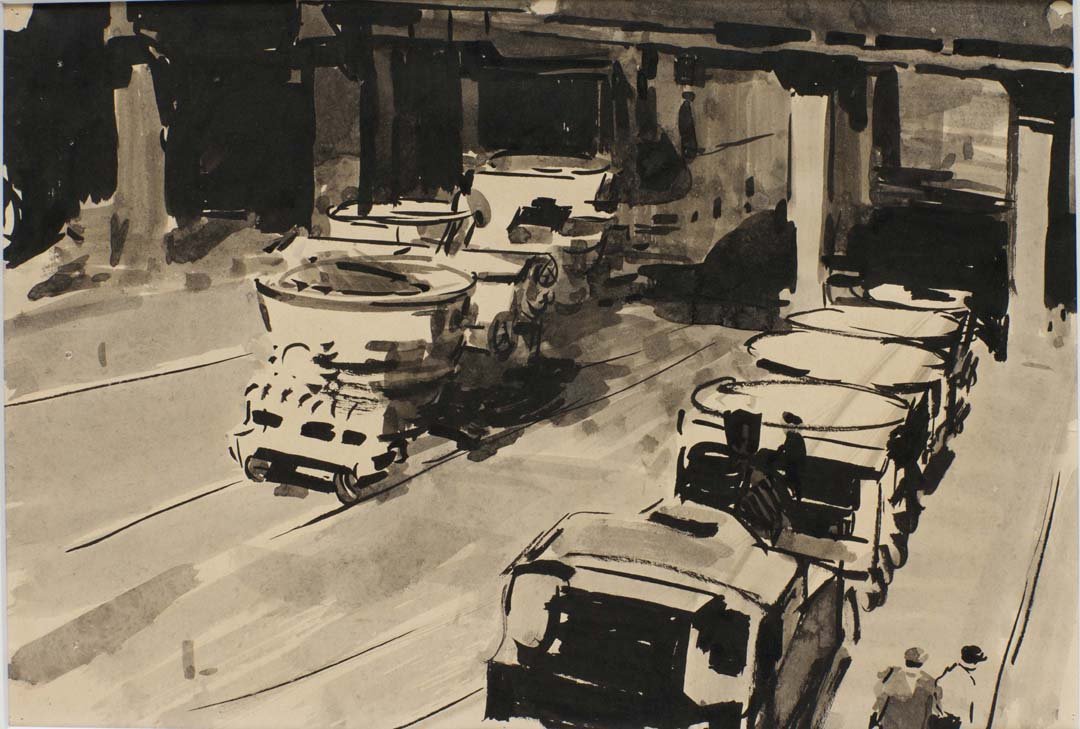
ART FOR THIS MOMENT. PERSONAL RESPONSES TO PAINTINGS

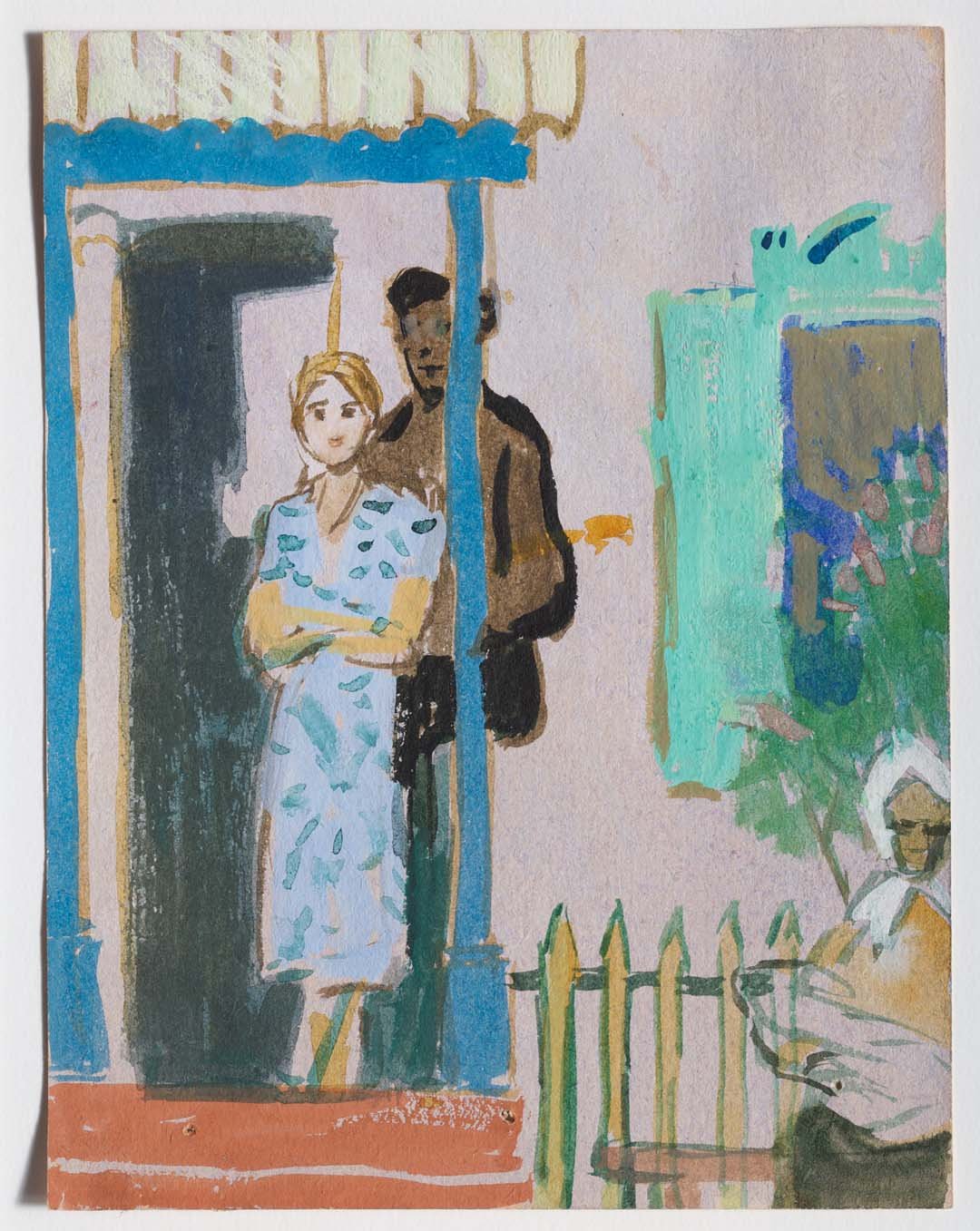
I was struck by the fact that many historians of Russian art had not previously known of his work - an indication of how profoundly ignorant we ALL still remain with regard to Soviet culture and how much work we still have to do to compensate for the silences and confusions brought about by censorship and propaganda.
— Robert Chandler, London, 2012
LIKE A DROP OF INK IN A DOWNPOUR
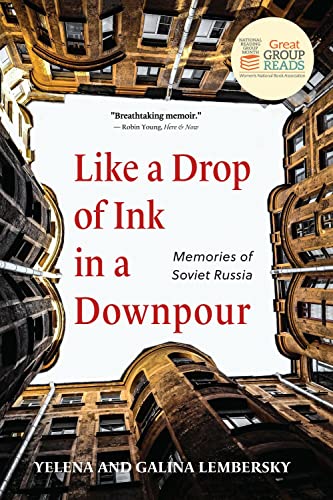
I learned from my parents that art comes before anything else. It forms culture, memory, history, and philosophy that will last for centuries.
—Galina Lembersky, Boston, 2022
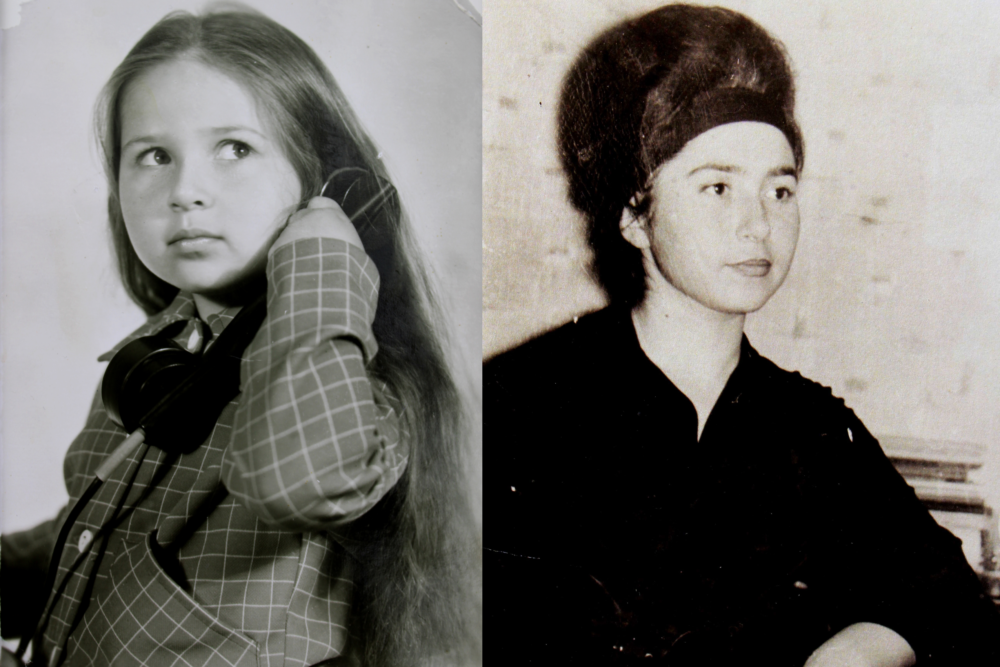
At Father’s retrospective exhibition, people poured in and called his work a breath of fresh air. This was in 1960, during Khrushchev’s Thaw, a brief period when artists were allowed a bit of creative freedom. Father’s art kept changing, but Soviet art policies reversed, and for political reasons his paintings could no longer be exhibited.
—Galina Lembersky, Boston, 2022
STORIES IN MOTION. VIDEOS. SLIDESHOWS. CONVERSATIONS
Felix Lembersky in Color, a short film with footage of Lembersky’s exhibition in Leningrad, 1960, and a selection of his art


